Introduction
When selecting tools for industrial, construction, or workshop use, two primary types dominate the market — pneumatic tools and electric tools. Each has its own advantages, limitations, and ideal use cases. This guide compares their strengths and weaknesses to help you make an informed decision.
💨 What Are Pneumatic Tools?
Pneumatic tools (air tools) are powered by compressed air delivered through an air compressor. Widely used in automotive repair shops, heavy-duty industries, and high-volume manufacturing.
Examples:
• Impact Wrenches
• Pneumatic Grinders
• Air Drills
• Pneumatic Nail Guns
• Air Sanders
• Chipping Hammers
Known for their power-to-weight ratio, durability, and long operating life.
⚡ What Are Electric Tools?
Electric tools rely on electricity — either from a wall socket (corded) or battery (cordless). Common among general users, DIYers, and contractors who value convenience.
Examples:
• Electric Drills
• Cordless Screwdrivers
• Electric Grinders
• Jigsaws
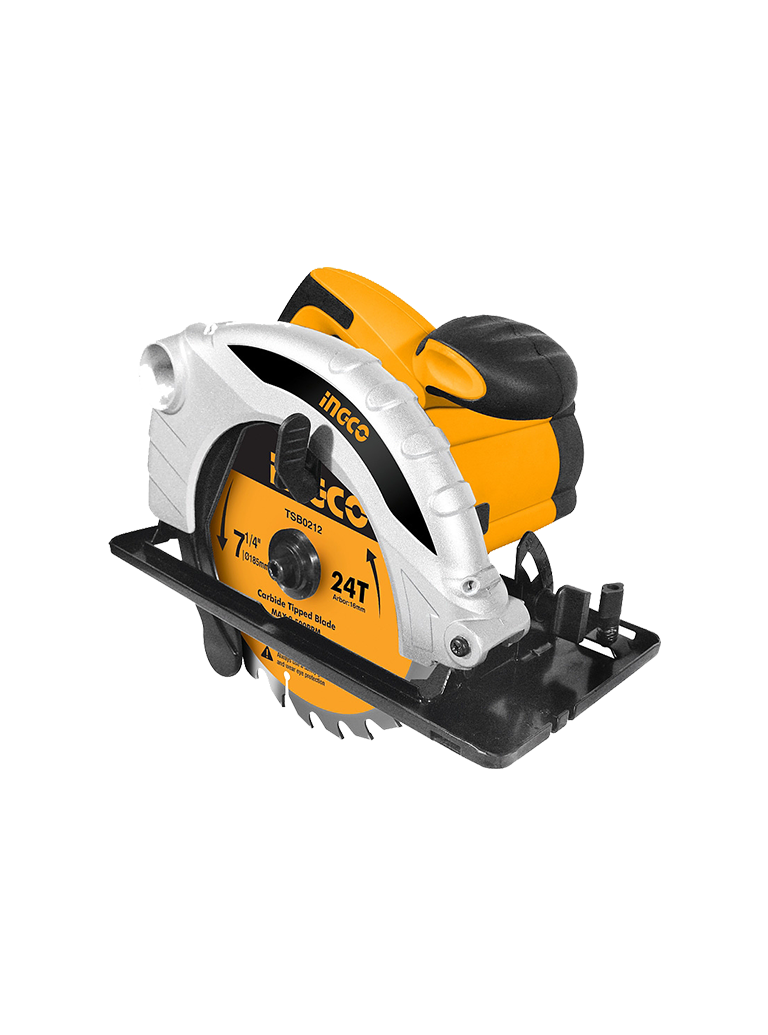
• Circular Saws
• Heat Guns
Easy to set up, portable, and don't require an air supply.
✅ Pneumatic Tools: Pros & Cons
Pros:
• Higher Torque: Powerful performance for heavy-duty tasks
• Lighter Weight: No internal motor; easier to handle
• Durability: Fewer internal parts, less prone to failure
• Lower Tool Cost: More affordable than electric versions
• Faster Operation: Quick response for industrial use
Cons:
• Requires Compressor: Needs air supply system
• Limited Portability: Tethered to hoses
• Noise Levels: Can be loud
• Higher Initial Setup Cost: Compressor investment
• Regular Maintenance: Air system upkeep needed
✅ Electric Tools: Pros & Cons
Pros:
• Plug-and-Play: Easy setup and use
• Portability: Cordless versions work anywhere
• Lower Setup Cost: No compressor needed
• Variety: Options for all applications
• Quiet Operation: Generally less noisy
Cons:
• Heavier Design: Motor/battery adds weight
• Lower Power Output: Less ideal for heavy jobs
• Shorter Lifespan: Components wear out
• Higher Long-Term Cost: Battery replacements
• Battery Downtime: Charging interruptions
🔌 Corded vs. Battery-Powered Electric Tools
Corded Electric Tools
• Constant power supply
• Higher torque and RPM
• Ideal for long-duration jobs
• Limited by cable length
Battery-Powered Electric Tools
• Highly portable
• Great for remote locations
• Runtime depends on battery
• Often lighter-duty than corded
🛠️ When to Choose Pneumatic Tools
• Automotive workshops or assembly lines
• Consistent high torque needed
• Multiple tools from central air supply
• Lightweight tools for all-day use
• High-volume repetitive tasks
🔋 When to Choose Electric Tools
• Home renovation or DIY projects
• Portability and hose-free operation
• Remote or outdoor work areas
• Precise or medium-duty tasks
• Quick setup without compressors
📊 Decision Guide
| Requirement | Best Tool Type |
|---|---|
| Heavy-duty industrial use | Pneumatic Tools |
| Light to medium-duty tasks | Electric Tools |
| Portability and convenience | Electric (Cordless) Tools |
| Long-term durability | Pneumatic Tools |
| Limited space or power access | Electric (Corded/Battery) Tools |
🔮 The Future of Tools Technology
Tool technology is evolving with:
• Hybrid Tools: Combining air and electric capabilities
• Smart Tools: IoT-enabled for performance tracking
• Eco-Friendly Batteries: Improved cordless runtimes
• Advanced Air Compressors: Smaller, quieter, more efficient
SPS Pneumatic Tools stays at the forefront — delivering cutting-edge, reliable pneumatic tools built to outperform.